


- All Products
- Silverbirch Broadland 15
Silverbirch Broadland 15
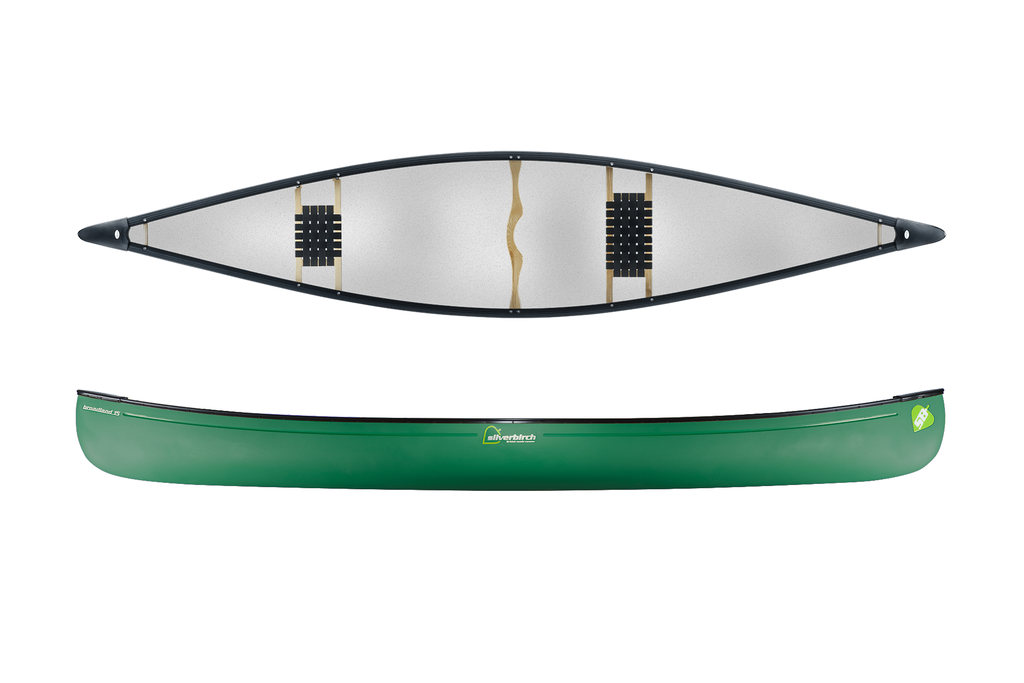
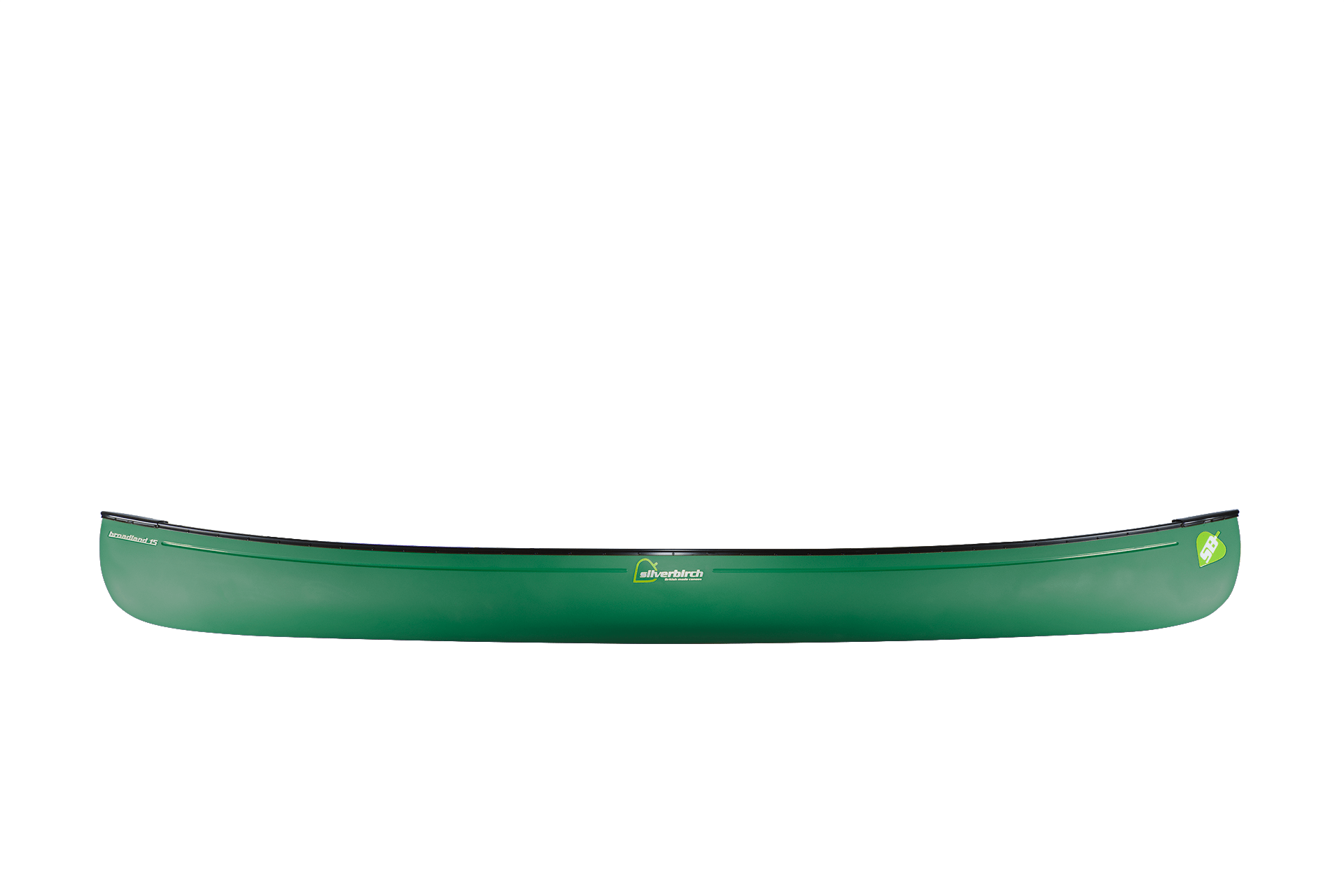
https://www.spadekayaksuk.com/shop/silverbirch-broadland-15-735 https://www.spadekayaksuk.com/web/image/product.template/735/image_1920?unique=52766abThe Silverbirch Broadland 15 — the ultimate British-made all-round canoe. Solo or tandem, lakes or rivers, day trips or multi-day expeditions: one boat, every adventure.
Silverbirch are currently running a Duralite Spring Special in partnership with The Boathouse. This is on selected Silverbirch canoes such as the Firefly 14, Broadland 15 and Broadland 16. See the description drop down for more info or click here to see the Duralite Spring Special!
We also have a great selection of in-stock pre-built Duracore + Canoes, reduced by £200 & bundled with 2 Grey Owl Scout Paddles and 2 NRS Vista buoyancy aids for free! Click here to see the Duracore + Spring Special Collection!
Duralite Spring Special
An Insight Into Canoe Set Up Options, Materials & Outfitting
Broadland 15
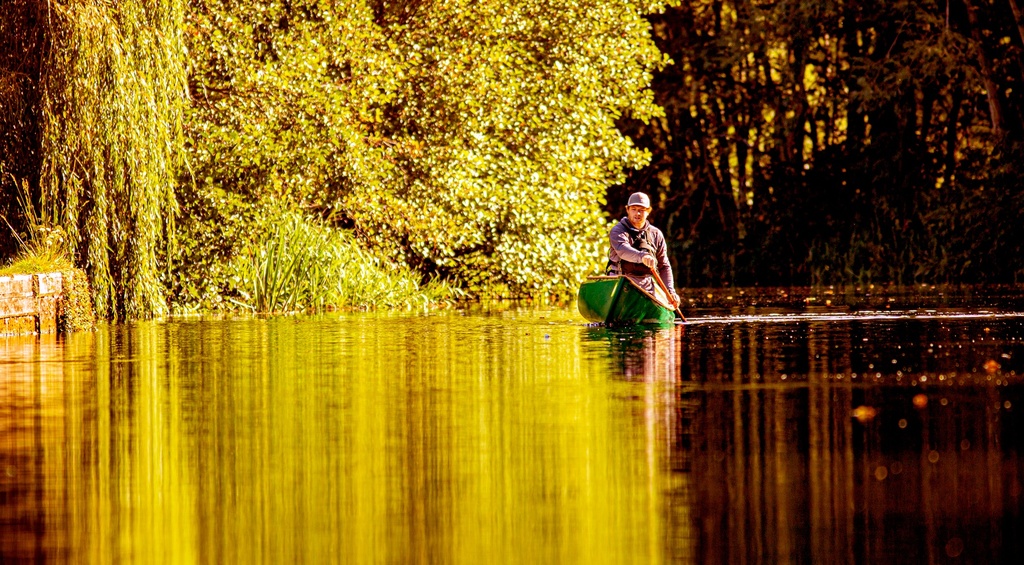
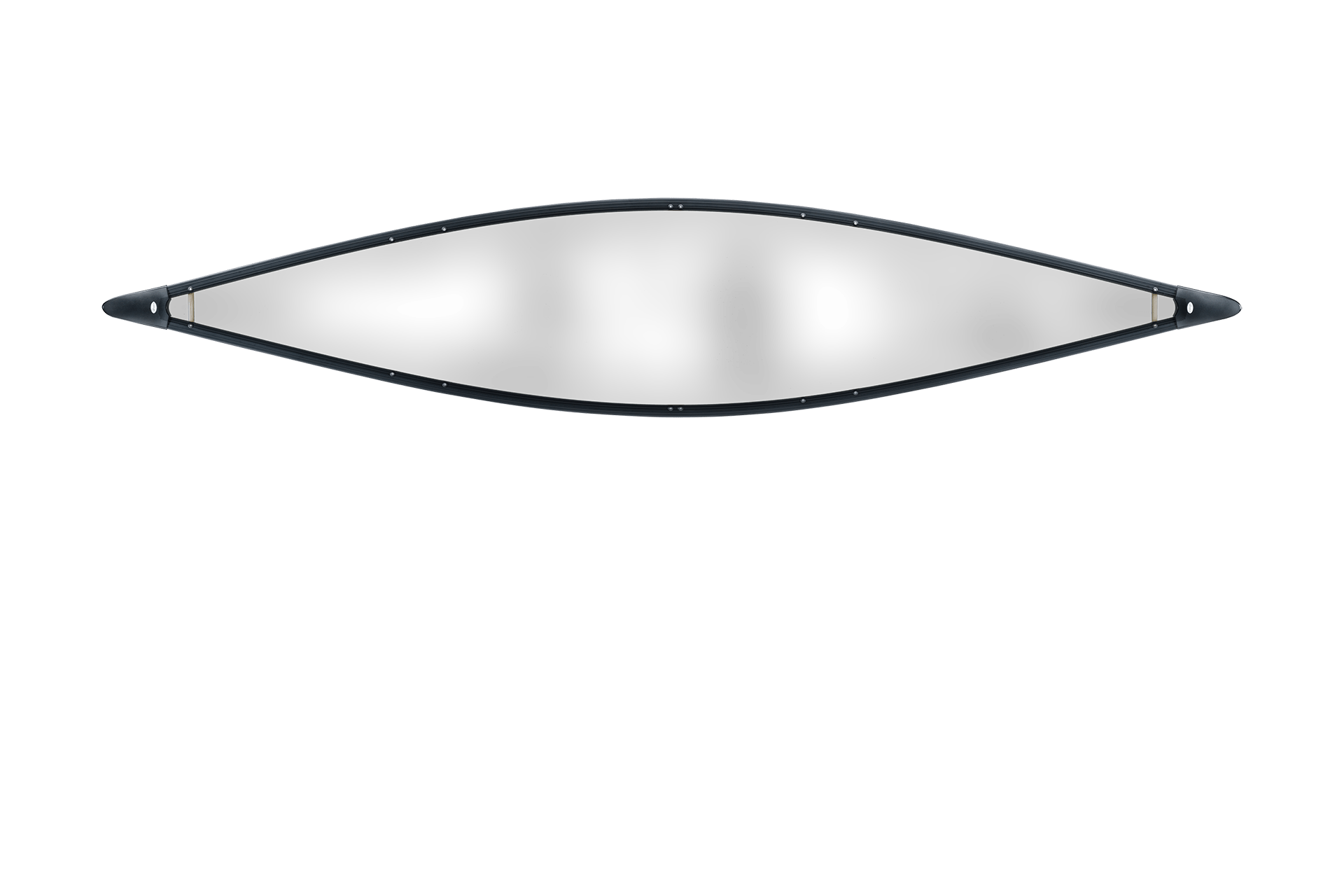
The Broadland 15 is a versatile canoe designed for both solo and tandem paddling, offering a balanced combination of maneuverability, stability, and load-carrying capability. Whether exploring lakes, rivers, or multi-day trip routes, the Broadland 15 provides a smooth and predictable paddling experience. Its carefully refined rocker and hull profileensure excellent tracking without compromising responsiveness.
Best For:
Paddlers seeking a versatile all-round canoe for solo or tandem use.
Touring and expedition paddlers who need a balance of efficiency and agility.
Those paddling in varied conditions, from calm lakes to moderate whitewater.
When to Think Twice About This Model:
Need maximum load capacity? – If carrying large amounts of gear or multiple paddlers, the Highline version or the Broadland 16 may be a better choice.
Looking for a speed-focused canoe? – While stable and efficient, paddlers prioritizing maximum straight-line tracking may prefer the longer Broadland 16.
Why Choose the Broadland 15?
Perfect mix of solo & tandem capability – Compact yet spacious enough to handle solo or tandem paddling with ease.
Balanced performance – Combines stability, maneuverability, and load-carrying ability for a reliable and adaptable canoe.
Lowline vs Highline—What's the Difference?
The difference between highline and lowline canoes comes down to hull depth (freeboard) — essentially how high the sides of the canoe sit above the waterline. This single design choice has a noticeable impact on handling, stability, weight, and performance in different conditions.
Highline Canoes — More Depth, More Capacity
A highline canoe has deeper sidewalls, which increases internal volume and keeps more of the hull above the water.
This results in:
- Higher load capacity – better for carrying gear, additional paddlers, or expedition setups
- Improved buoyancy – sits higher in the water, especially when loaded
- Drier ride in rough water – more protection from waves and chop
Highline trims are typically chosen for expeditions, open water crossings, or paddlers carrying heavier loads.
However, the added depth also means:
- Increased weight (typically around 10–12% more depending on the model)
-
More wind exposure due to the larger side profile
Lowline Canoes — Lower Profile, Greater Control
A lowline canoe has shallower sidewalls, reducing the amount of hull above the water.
This gives you:
- Less wind resistance – easier to control in breezy conditions
- Lighter overall weight – easier to carry, load, and handle off the water
- More responsive handling – ideal for technical paddling or solo use
Lowline trims are best suited to day paddling, lighter loads, sheltered waters, and paddlers who prioritise efficiency and control over carrying capacity.
Which Should You Choose?
- Choose Highline if you need maximum capacity, added security in rough water, or expedition capability
- Choose Lowline if you want a lighter, more responsive canoe that performs well in calmer or more sheltered conditions
| Quality | Premium or 2nd Quality |
| Construction | Duracore plus or Duralite |
| Colour | Forest (duracore plus) or Forest (duralite) or Firebrick Red or Electric Blue or Vivid Yellow or Burnt Orange or Purple or Candy Pink or Jet Black or Lime Green or Custom See Notes or Cherry (duracore plus) |
| Internal Colour | White (standard) or Vivid Yellow or Burnt Orange or Lime Green or Electric Blue or Candy Pink or Red or Grey |
| Band 1 | None or Forest or Red or Electric Blue or Vivid Yellow or Burnt Orange or Purple or Candy Pink or Jet Black or Lime Green or White |
| Band 2 | None or Forest or Red or Electric Blue or Vivid Yellow or Burnt Orange or Purple or Candy Pink or Jet Black or Lime Green or White |
| Band 3 | None or Forest or Red or Electric Blue or Vivid Yellow or Burnt Orange or Purple or Candy Pink or Jet Black or Lime Green or White |
| Band 4 | None or Forest or Red or Electric Blue or Vivid Yellow or Burnt Orange or Purple or Candy Pink or Jet Black or Lime Green or White |
| Band 5 | None or Forest or Red or Electric Blue or Vivid Yellow or Burnt Orange or Purple or Candy Pink or Jet Black or Lime Green or White |
| Band 6 | None or Forest or Red or Electric Blue or Vivid Yellow or Burnt Orange or Purple or Candy Pink or Jet Black or Lime Green or White |
| Band 7 | None or Forest or Red or Electric Blue or Vivid Yellow or Burnt Orange or Purple or Candy Pink or Jet Black or Lime Green or White |
| Trim Height | Low line Trim or High-line trim |
| Gunwales | Vinyl Gunwales or Ash Gunwales |
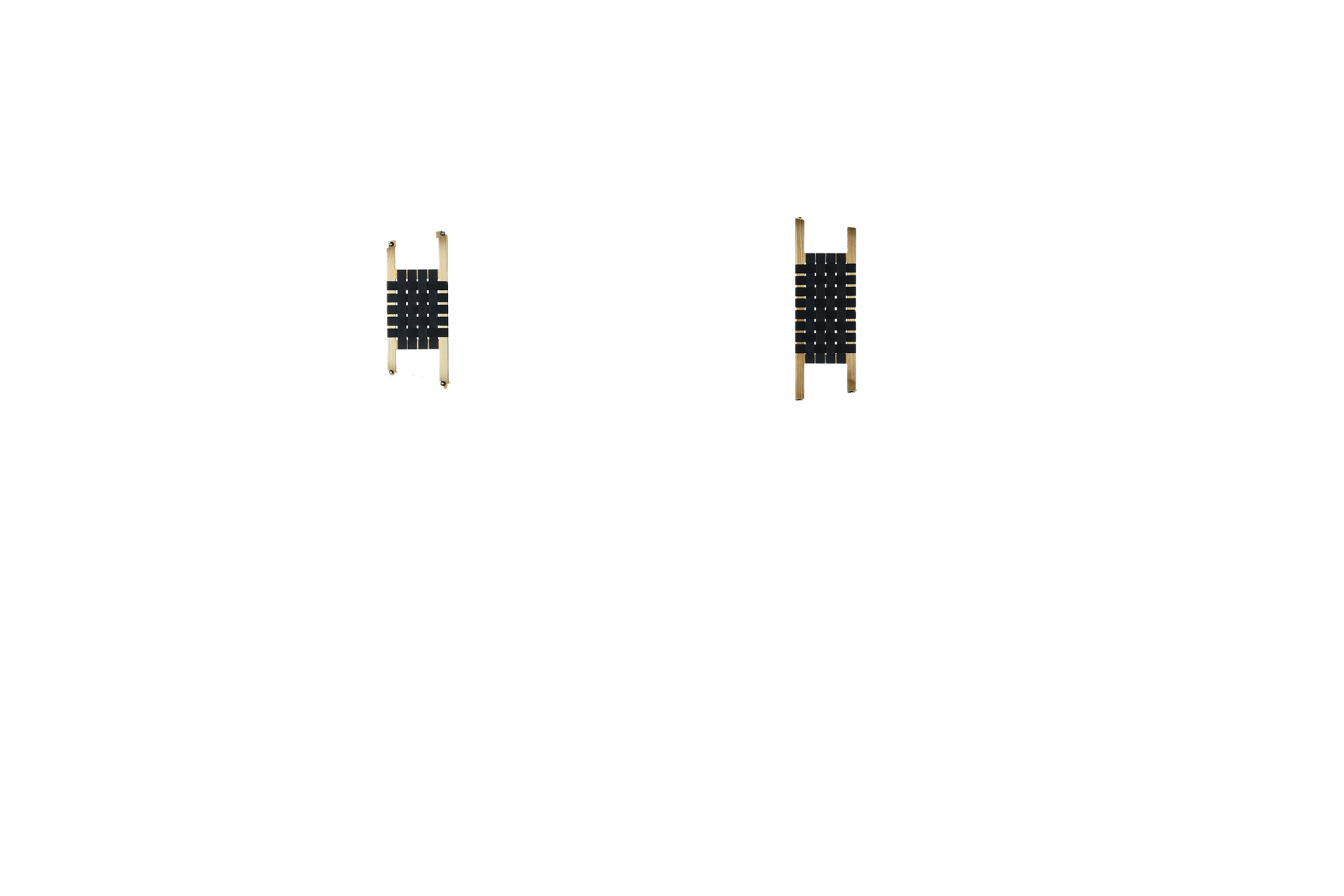
| Seating | 2 x wood/web seats or 2 x Curved wood/web seats or 2 x Curved cane seats or Fitted Sailing Thwart or Fitted Sailing Seat or 2 x p.e. seats |
| Yoke | Standard Yoke or 3D (ash) or 3D (Cherry) or 3D (ash & cherry two tone) or Deep Dish Yoke or No Yoke |
| Kneeling thwart | No kneeling thwart or Fitted kneeling thwart |
| Lacing | None or Laced and Stitched Ends or Full Length Lacing |
| Lacing Colour | None or Black or Floro Yellow or Orange or Red or Electric Blue or Pink or White or Purple or Grey or Lime Green or Forest Green |
| End grabs | No rope end grabs or Yellow with black fleck or Orange with black fleck or *Yellow with red fleck or *Orange with yellow fleck |
| Packaging | Sleeved or Bubble wrapped or Unwrapped |
| Central seat | None |
| Tags | |
|---|---|
| Tags |
Tags:
|
Duralite Spring Special
An Insight Into Canoe Set Up Options, Materials & Outfitting
Broadland 15
The Broadland 15 is a versatile canoe designed for both solo and tandem paddling, offering a balanced combination of maneuverability, stability, and load-carrying capability. Whether exploring lakes, rivers, or multi-day trip routes, the Broadland 15 provides a smooth and predictable paddling experience. Its carefully refined rocker and hull profileensure excellent tracking without compromising responsiveness.
Best For:
Paddlers seeking a versatile all-round canoe for solo or tandem use.
Touring and expedition paddlers who need a balance of efficiency and agility.
Those paddling in varied conditions, from calm lakes to moderate whitewater.
When to Think Twice About This Model:
Need maximum load capacity? – If carrying large amounts of gear or multiple paddlers, the Highline version or the Broadland 16 may be a better choice.
Looking for a speed-focused canoe? – While stable and efficient, paddlers prioritizing maximum straight-line tracking may prefer the longer Broadland 16.
Why Choose the Broadland 15?
Perfect mix of solo & tandem capability – Compact yet spacious enough to handle solo or tandem paddling with ease.
Balanced performance – Combines stability, maneuverability, and load-carrying ability for a reliable and adaptable canoe.
Lowline vs Highline—What's the Difference?
The difference between highline and lowline canoes comes down to hull depth (freeboard) — essentially how high the sides of the canoe sit above the waterline. This single design choice has a noticeable impact on handling, stability, weight, and performance in different conditions.
Highline Canoes — More Depth, More Capacity
A highline canoe has deeper sidewalls, which increases internal volume and keeps more of the hull above the water.
This results in:
- Higher load capacity – better for carrying gear, additional paddlers, or expedition setups
- Improved buoyancy – sits higher in the water, especially when loaded
- Drier ride in rough water – more protection from waves and chop
Highline trims are typically chosen for expeditions, open water crossings, or paddlers carrying heavier loads.
However, the added depth also means:
- Increased weight (typically around 10–12% more depending on the model)
-
More wind exposure due to the larger side profile
Lowline Canoes — Lower Profile, Greater Control
A lowline canoe has shallower sidewalls, reducing the amount of hull above the water.
This gives you:
- Less wind resistance – easier to control in breezy conditions
- Lighter overall weight – easier to carry, load, and handle off the water
- More responsive handling – ideal for technical paddling or solo use
Lowline trims are best suited to day paddling, lighter loads, sheltered waters, and paddlers who prioritise efficiency and control over carrying capacity.
Which Should You Choose?
- Choose Highline if you need maximum capacity, added security in rough water, or expedition capability
- Choose Lowline if you want a lighter, more responsive canoe that performs well in calmer or more sheltered conditions
To install this Web App in your iPhone/iPad press

and then Add to Home Screen.